Steel structure anti-corrosion paint is a high-performance coating designed specifically for metal structures, especially steel structures. Its purpose is to form a strong protective layer that effectively isolates environmental erosion factors such as moisture, oxygen, and chemicals, thereby extending the service life of steel structures and protecting them from corrosion damage. With the rapid development of industrial construction, steel structures have been widely used due to their advantages of high strength, light weight, and fast construction. Steel structure anti-corrosion paint has become one of the key materials to ensure the long-term safe and stable operation of these structures.
1. Category classification
There are various types of anti-corrosion paints for steel structures, which can be roughly divided into the following categories based on their composition, performance, and application:
Epoxy anti-corrosion paint: It has excellent adhesion and chemical resistance, and is commonly used for protecting steel structures in highly corrosive environments.
Polyurethane anti-corrosion paint: wear-resistant and weather resistant, suitable for outdoor steel structures and marine environments.
Zinc rich primer: Provides excellent rust prevention ability through electrochemical protection, often used as the bottom layer of anti-corrosion coating systems.
Acrylic anti-corrosion paint: rich in color, strong weather resistance, suitable for decoration and protection in light to moderate corrosive environments.
Fluorocarbon anti-corrosion paint: super weather resistant, strong self-cleaning ability, suitable for high-end buildings and steel structures under extreme weather conditions.
2. Performance characteristics
High corrosion resistance: It can effectively resist the erosion of various corrosive media.
Strong adhesion: firmly bonded to the surface of the steel, not easily peeled off.
Durability: Long term exposure to the outdoors can maintain excellent physical and chemical properties.
Weather resistance: Suitable for various climatic conditions, including extreme high and low temperatures and ultraviolet radiation.
Easy construction: Good leveling and operability, convenient for on-site construction.
3. Key points of construction
Surface treatment: Ensure that the surface of the steel structure is clean, dry, free of oil stains, and rust, usually requiring sandblasting or grinding treatment.
Primer coating: Select the appropriate primer according to the requirements to ensure even coverage and no missed coating.
Intermediate coating (if required): Enhance the thickness and overall performance of the anti-corrosion layer.
Topcoat coating: Provide the required color and glossiness to protect the primer and intermediate layer from environmental damage.
Maintenance: After the construction is completed, follow the instructions for maintenance to ensure that the coating is completely cured.
4. Application Fields
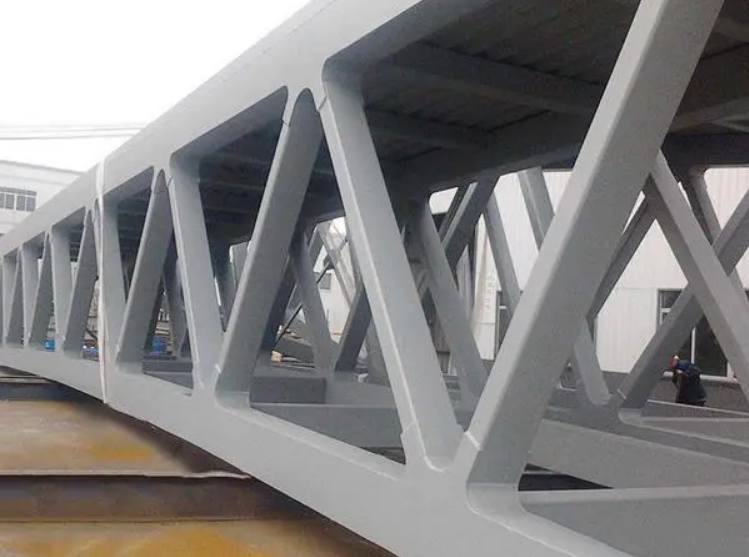
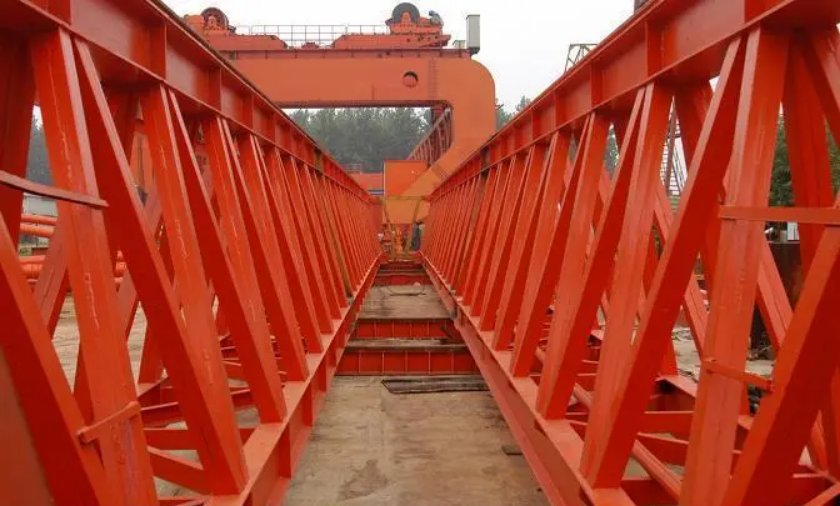
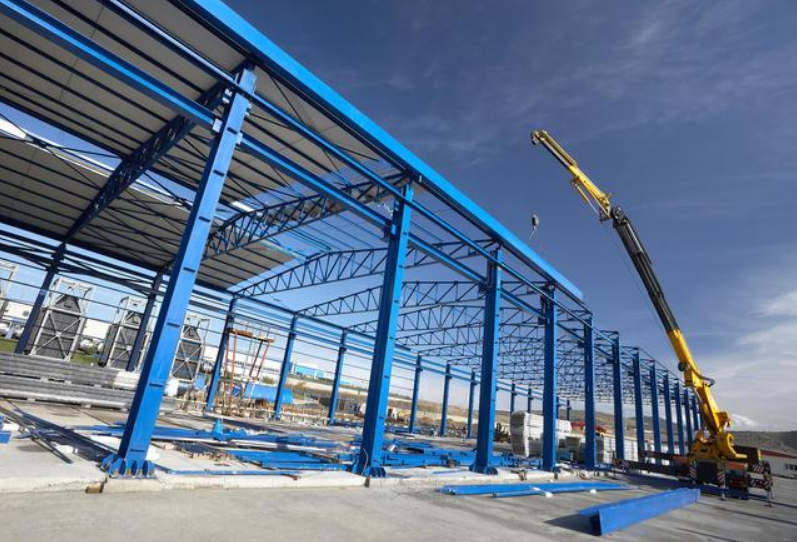
Steel structure anti-corrosion paint is widely used in many fields such as bridges, port facilities, petrochemical plants, power towers, building curtain walls, rail transit vehicles, offshore wind power platforms, etc. It is an important material to ensure the safety of infrastructure and extend its service life.
5. Environmental friendliness
Modern steel structure anti-corrosion coatings are increasingly emphasizing environmental performance, using low VOC (volatile organic compound) formulas to reduce their impact on the environment. At the same time, the product has also passed environmental certification, such as ISO 14001 environmental management system certification, ensuring compliance with environmental standards in production, use, and waste disposal processes.
Steel structure anti-corrosion paint
1. Performance characteristics
High corrosion resistance: It can effectively resist the erosion of various corrosive media.
Strong adhesion: firmly bonded to the surface of the steel, not easily peeled off.
Durability: Long term exposure to the outdoors can maintain excellent physical and chemical properties.
Weather resistance: Suitable for various climatic conditions, including extreme high and low temperatures and ultraviolet radiation.
Easy construction: Good leveling and operability, convenient for on-site construction.
2. Key points of construction
Surface treatment: Ensure that the surface of the steel structure is clean, dry, free of oil stains, and rust, usually requiring sandblasting or grinding treatment.
Primer coating: Select the appropriate primer according to the requirements to ensure even coverage and no missed coating.
Intermediate coating (if required): Enhance the thickness and overall performance of the anti-corrosion layer.
Topcoat coating: Provide the required color and glossiness to protect the primer and intermediate layer from environmental damage.
Maintenance: After the construction is completed, follow the instructions for maintenance to ensure that the coating is completely cured.
3. Application Fields
Steel structure anti-corrosion paint is widely used in many fields such as bridges, port facilities, petrochemical plants, power towers, building curtain walls, rail transit vehicles, offshore wind power platforms, etc. It is an important material to ensure the safety of infrastructure and extend its service life.